

I. The Importance of the Heat Source
Evaporation coating is one of the important techniques in physical vapor deposition (PVD). Its core principle is to heat the coating material to evaporate it into gaseous atoms or molecules, which then deposit on the substrate surface to form a thin film. The heat source, as a key component providing energy, directly affects the evaporation rate, film quality (such as uniformity, density, and purity), and process stability.

II. Common Heat Source Types and Operating Characteristics
Currently, the heat sources commonly used in evaporative coating mainly fall into four categories: resistance heating, electron beam heating, laser heating, and induction heating. Due to different heating methods, these heat sources exhibit significant differences in energy density, temperature control accuracy, and applicable materials.
1. Resistance Heating Sources
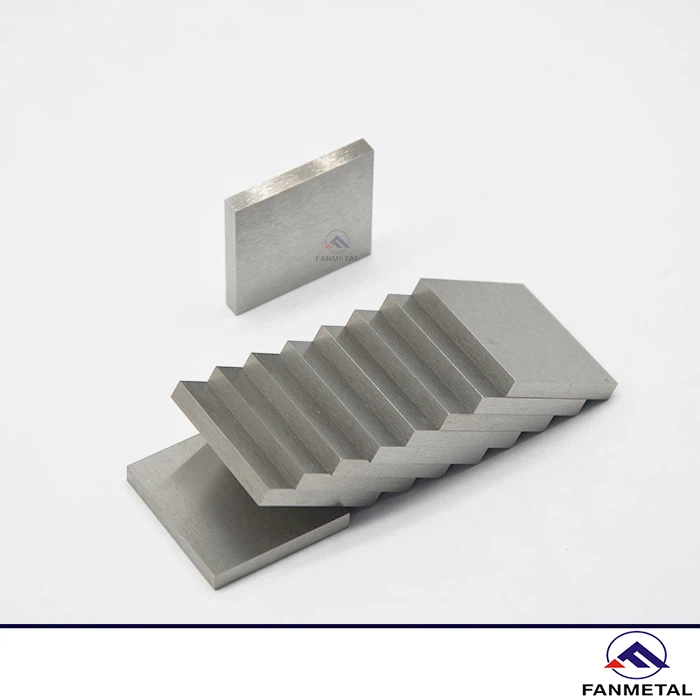
Resistance heating uses Joule heating generated by current flowing through a heating element (such as tungsten wire, molybdenum boat, tantalum sheet, etc.) to indirectly heat the coating material. It has a simple structure, low cost, and is easy to operate, making it suitable for low-melting-point metals (such as aluminum, copper, and silver) and some compound materials. However, its energy density is low, making it difficult to evaporate high-melting-point materials, and the heating element may chemically react with the evaporation material, leading to film contamination.


2. Electron Beam Heating Source
Electron beam heating utilizes high-speed electrons to bombard the surface of the coating material, converting kinetic energy into thermal energy to achieve evaporation. It boasts extremely high energy density (up to 10⁴-10⁶ W/cm²), enabling the evaporation of high-melting-point metals (such as tungsten, molybdenum, and titanium), ceramics, and refractory compounds. Because the material is directly bombarded by the electron beam, contamination from heating elements is avoided, resulting in high film purity. However, the equipment structure is complex, the cost is high, and strict vacuum conditions are required.
3. Laser Heating Source
Laser heating focuses a high-power laser beam onto the surface of the coating material, utilizing light absorption to achieve rapid local heating and evaporation. It offers high energy density, precise and controllable heating areas, and a small heat-affected zone, making it suitable for nanoscale thin film preparation and coating of heat-sensitive substrates. Furthermore, laser heating is non-contact and non-polluting, and can evaporate various materials (including composite and gradient materials). However, laser systems are expensive, have low energy conversion efficiency, and are dependent on the light absorption characteristics of the material.
4. Induction Heating Source
Induction heating is based on the principle of electromagnetic induction, generating eddy currents within the conductive coating material to cause heating and evaporation, or indirectly heating non-conductive materials through a heated crucible. It offers good heating uniformity and high temperature control accuracy, making it suitable for continuous coating processes in mass production. Induction heating is free from electrode contamination and easy to maintain, but its energy density is relatively low, primarily used for the evaporation of medium-to-low melting point materials.


III. Key Considerations for Heat Source Selection
1. Coating Material Characteristics
- Melting Point: For low melting point materials (<1500℃), resistance heating is preferred; for high melting point materials (>2000℃), electron beam or laser heating must be used.
- Chemical Reactivity: Highly reactive materials (such as alkali metals and rare earth elements) should avoid direct contact with resistance heating elements; electron beam or laser heating (non-contact method) is preferred.
- Purity Requirements: High-purity films are required for high-precision optical films and semiconductor films; electron beam or laser heating is recommended to reduce contamination from the heating element.
2. Film Quality Requirements
- Uniformity: For large-area substrate coating, the uniformity of the heat source is crucial; induction heating and scanning electron beam heating offer advantages in this regard.
- Density and Adhesion: High-energy-density heat sources (electron beam, laser) result in higher kinetic energy of the evaporated particles, leading to higher film density and adhesion during deposition.
- Deposition Rate: Resistance heating offers a lower deposition rate (suitable for thin layers or slow deposition), while electron beams and lasers can achieve high-speed evaporation (>100 nm/s).
3. Process Economics
- Equipment Cost: Resistance heating equipment is the cheapest, while laser and electron beam equipment are more expensive; the choice should be based on production scale and budget.
- Energy Consumption and Efficiency: Induction heating and resistance heating have higher energy conversion efficiency (50%-70%), while laser heating has lower efficiency (usually < 30%).
- Maintenance Costs: Resistance heating elements are prone to wear and tear and require frequent replacement; electron beam guns and laser heads have higher maintenance costs but longer lifespans.

Conclusion
Common structures for evaporation sources include spiral coils (suitable for filamentous materials), boat-shaped trays (suitable for powdered or lumpy materials), and conical crucibles (suitable for organic or corrosive materials). Among these, tungsten boats and molybdenum boats are the most frequently used. As a specialist supplier of non-ferrous metal products, FANMETAL not only provides these customised evaporation source components but also possesses over two decades of expertise in manufacturing and exporting precious metal products (such as platinum-iridium wire, electrodes, or target materials). If you have any questions about this product's details or pricing inquiries, don't hesitate to get in touch with us at admin@fanmetalloy.com. We look forward to your message.
