

Tantalum, element symbol Ta, is a rare, bluish-gray transition metal renowned for its extremely high melting point (approximately 3017°C), outstanding corrosion resistance, and good ductility. Primarily extracted from ores like tantalite, its limited production does not diminish its critical role across sectors ranging from electronics and aerospace to medical devices and chemical manufacturing.
Understanding Tantalum: The "Precious Metal" Hidden in Industry
Tantalum metal possesses exceptional physical and chemical properties. As a rare metal with a high melting point and boiling point, it has a density of 16.69 g/cm³, surpassed only by a few metals like tungsten and rhenium.
Its most prominent characteristics are threefold: First, exceptional corrosion resistance, capable of withstanding strong acids like hydrochloric acid and sulfuric acid at room temperature. Second, excellent thermal and electrical conductivity, though slightly inferior to copper and silver, its stability far surpasses ordinary metals. Third, favorable workability, allowing it to be rolled into extremely thin tantalum foil or fabricated into complex-shaped components.

Electronics Industry: The Core Role of Tantalum Capacitors
- Among all applications, tantalum has the highest usage rate in the electronics field. Over 70% of global tantalum production is used to manufacture tantalum capacitors, which play a crucial role in electronic devices for energy storage, filtering, and voltage regulation.
- On one hand, a dense and stable oxide film can form on the surface of tantalum. This film acts as both an insulation layer and a dielectric, giving the capacitor the characteristics of "small size and large capacitance"-for the same capacitance, a tantalum capacitor is only 1/10 the size of an aluminum electrolytic capacitor, making it ideal for miniaturized electronic devices such as smartphones, laptops, and watches.
- On the other hand, it has extremely high stability, operating normally in an extreme temperature range of -55℃ to 125℃, and boasts fast charging and discharging speeds and long lifespans. Therefore, it is widely used in high-end fields such as consumer electronics, automotive electronics, and aerospace electronics.


Aerospace: Excellent Performance in High-Temperature Environments
- The aerospace field has extremely demanding requirements for materials, needing to withstand temperatures of thousands of degrees Celsius and resist the erosion and corrosion caused by high-speed airflow during flight. Tantalum, with its high melting point and high strength, has become an ideal material for this field.
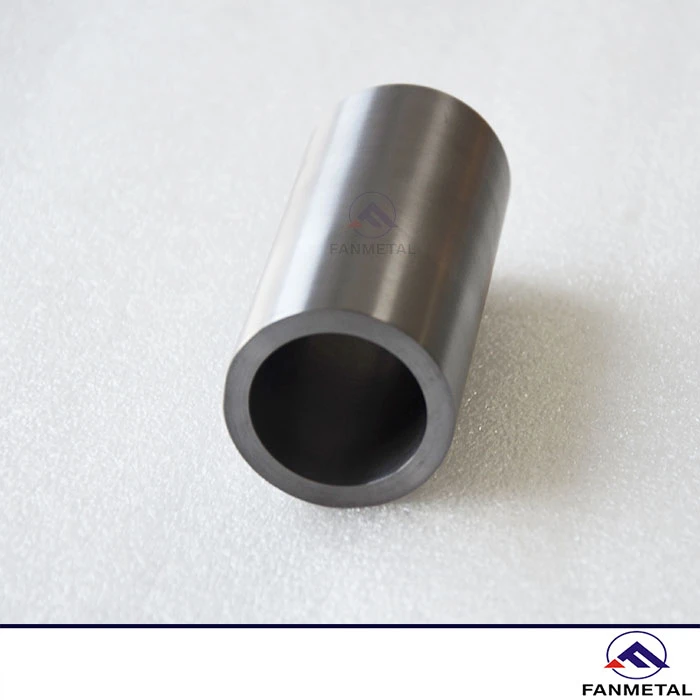
- Tantalum bars, tantalum tubes, and their alloys (such as Ta-10W) are used to manufacture combustion chamber liners, rocket engine nozzles, high-temperature components of turbine blades, heat exchangers, and thermal protection coatings for satellites, withstanding high-temperature and corrosive environments. Meanwhile, tantalum alloys have higher high-temperature strength than nickel-based superalloys, effectively improving engine thrust and efficiency, and ensuring the rocket's thermal protection requirements during atmospheric reentry. Tantalum also enhances the durability of cutting tools for machining aerospace materials. Despite its higher cost, tantalum reduces maintenance requirements and improves flight safety and efficiency.


Medical Field: An Ideal Choice for Biocompatibility.
Tantalum does not trigger an immune rejection response in the human body, nor is it corroded by human tissue, making its application in the medical field increasingly widespread, earning it the title of "biometal."
- In orthopedics, tantalum is commonly used to manufacture implants such as artificial joints, bone screws, and bone plates. Compared to traditional titanium alloys, tantalum's elastic modulus is closer to that of human bone, and its porous structure allows for bone tissue ingrowth, making it suitable for treating femoral head necrosis or spinal fusion surgery. For example, for patients with severe bone defects, doctors use porous tantalum rods for implantation to promote bone regeneration.
- In dentistry, tantalum is used to manufacture dental implants. Its corrosion-resistant properties protect against erosion from saliva and food debris in the mouth, and it has good biocompatibility with gum tissue, reducing the likelihood of inflammation.
- Tantalum is also used to manufacture electrode leads for cardiac pacemakers. Its conductivity and biostability ensure the long-term stable operation of pacemakers, safeguarding the health and lives of heart disease patients.


Chemical Industry: A Powerful Tool for Corrosion Resistance
Chemical production often involves harsh environments such as strong acids, strong alkalis, high temperatures, and high pressures. Ordinary metal equipment is easily corroded, but tantalum's corrosion-resistant properties can solve these problems, extend service life, and reduce the risk of contamination.
Tantalum is used to manufacture components such as heat exchangers, reactor pipe linings, and valves. It can resist the corrosion of concentrated acids, extending equipment life. In the pharmaceutical industry, tantalum equipment can prevent metal ion contamination of drugs, ensuring drug purity. In the nuclear chemical industry, tantalum can resist the corrosion of radioactive materials and is used to manufacture linings for nuclear waste treatment equipment.

Other Applications
1. Metallurgy:
Tantalum is commonly used as an alloying additive. In steel production, adding a small amount of tantalum can refine the grain size, improving the strength and toughness of the steel. Adding tantalum to titanium and nickel alloys significantly improves their high-temperature strength and corrosion resistance. These alloys are widely used in aerospace, shipbuilding, and other fields.
2. Consumer Goods:
Tantalum is used to manufacture the nibs of high-end fountain pens. Some luxury pen brands incorporate tantalum into their nibs to enhance their hardness and wear resistance, making them smoother and more durable. Furthermore, tantalum is used in the manufacture of watch cases and straps; its corrosion resistance and non-discoloration properties are highly favored by high-end watch brands.
Conclusion
From tiny electronic components to aerospace equipment soaring through the skies, from medical implants protecting health to corrosion-resistant equipment driving chemical upgrades, tantalum, with its versatile properties, occupies an irreplaceable position in the modern industrial system. With the rapid development of high-end industries such as new energy, semiconductors, and aerospace, the demand for tantalum will continue to grow, and the efficient utilization of tantalum resources and the research and development of alternative materials will become important issues in the future. FANMETAL, as a non-ferrous metal supplier with over 20 years of experience, possesses excellent product customization capabilities, end-to-end quality assurance, extensive foreign trade export experience, and stable partners, enabling it to provide customers with high-quality, cost-effective metal products. If you have any questions about this product's details or pricing inquiries, please contact us at admin@fanmetalloy.com. We look forward to your message.


