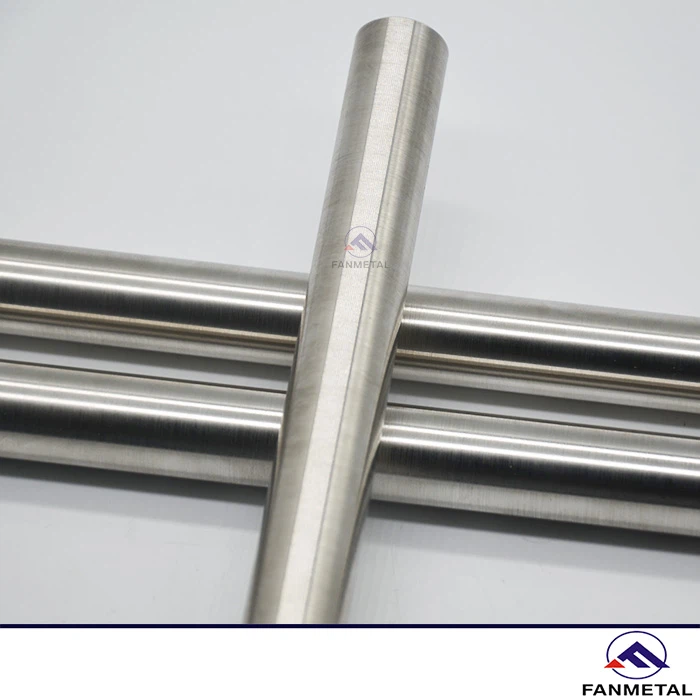
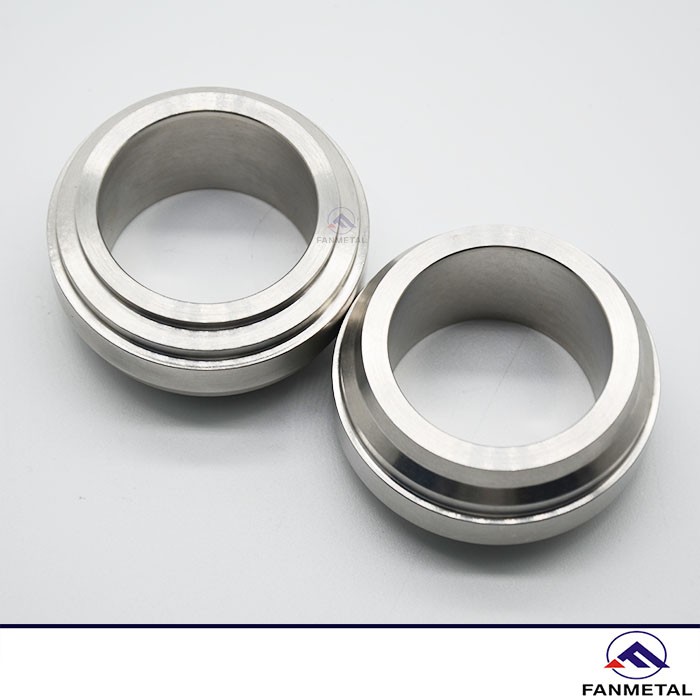
Cobalt-based alloys are a type of alloy that uses cobalt as the main component, contains a considerable amount of nickel, chromium, tungsten and a small amount of alloying elements such as molybdenum, niobium, tantalum, titanium, lanthanum, and occasionally iron.
1. Classification
According to the use, it can be divided into: cobalt-based wear-resistant alloys, cobalt-based high-temperature resistant alloys and cobalt-based wear-resistant and aqueous solution corrosion-resistant alloys.
According to the strengthening method, it can be divided into: carbide-strengthened cobalt-based alloys, solid solution-strengthened cobalt-based alloys, etc.
According to the production process, it can be divided into: cast cobalt-based alloys, deformed cobalt-based alloys and powder metallurgy cobalt-based alloys, etc.
2. Application advantages
- Good wear resistance
Resistance to wear between components: The internal parts of the aircraft engine, such as bearings, gears, etc., contact and rub against each other when running at high speed. The high hardness and good wear resistance of cobalt-based alloys can reduce the wear between these parts, reduce friction loss, improve transmission efficiency, and ensure the normal operation of the engine.
- Excellent forming and processing performance
Cobalt-based alloys can be made into various complex-shaped parts through a variety of processing processes such as casting, forging, and rolling, meeting the requirements of the aviation field for high-precision and complex structures of parts.
- Good welding performance
During the aircraft manufacturing process, different parts need to be welded and assembled. Cobalt-based alloys can be reliably welded with other metal materials or the same materials to ensure the strength and sealing of the welded joints and the integrity of the aircraft structure.
- Excellent high temperature performance
Good high temperature strength: Cobalt-based alloys can still maintain high strength in extremely high temperature environments, ensuring that engine parts will not be deformed or damaged under high-speed rotation and high-pressure environments, and ensuring the stable operation of the engine.
- Good resistance to thermal fatigue
During the flight of the aircraft, the engine undergoes frequent start-ups and shutdowns, and the temperature changes dramatically. Cobalt-based alloys can withstand such repeated temperature changes, are not prone to fatigue cracks, and extend the service life of parts.
- Excellent corrosion resistance
Elements such as chromium in cobalt-based alloys can form a dense oxide film on the surface, effectively preventing the corrosion of the alloy by gas, and ensuring that the internal parts of the engine maintain stable performance in harsh gas environments. Moreover, aircraft fly under different climatic conditions, such as humid marine environments, high-altitude low-temperature environments, etc. Cobalt-based alloys have good corrosion resistance in these environments, can prevent fuselage structural parts, engine external parts, etc. from being corroded by environmental factors, and improve the reliability and safety of aircraft.
- Compatibility with other materials
Cobalt-based alloys have good compatibility with other materials commonly used in the aviation field, such as titanium alloys and aluminum alloys. When used in conjunction with these materials, no serious electrochemical corrosion or other chemical reactions will occur, ensuring the connection and collaborative working performance between different materials in the aircraft structure.