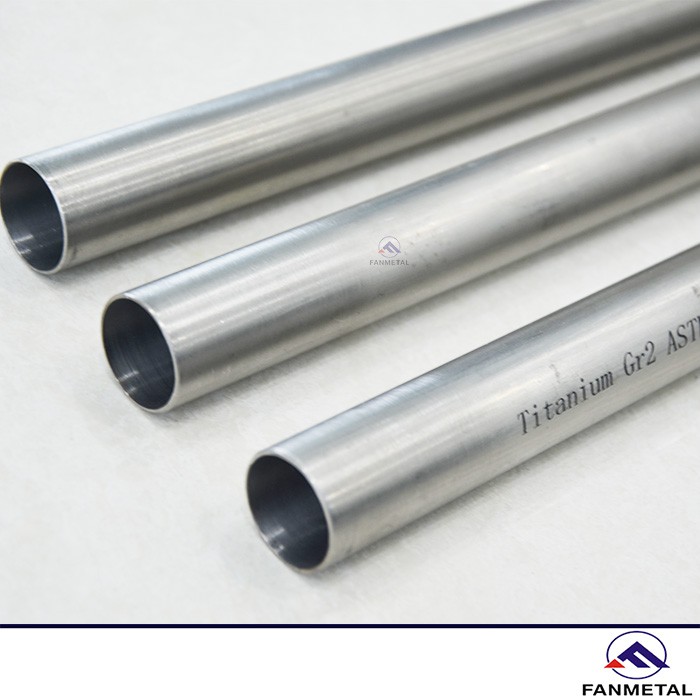
According to the product type, the rolling process can be divided into four basic types: plate and strip rolling, pipe rolling, profile rolling, and rod and wire rolling. According to the production process, it can be divided into hot rolling and cold rolling processes. According to the thickness, it can be divided into thin plates (thickness <4mm), medium plates (thickness 4-20mm), thick plates (thickness 20-60mm), and extra thick plates (thickness >60mm, up to 700mm).
- Cold rolling
Cold rolling refers to the process of rolling metal materials at room temperature, usually with cooling rollers. The cold rolling process can press metal materials into thinner and wider forms, with the characteristics of low cost, high surface finish, and high dimensional accuracy. Cold rolling has a wide range of applications, from cold-rolled steel plates to metal plates such as copper and aluminum.
- Rough rolling
Rough rolling refers to the process of performing preliminary processing on the blank. Rough rolling usually uses larger rolling rollers, and its main purpose is to remove defects such as pores and wrinkles in the original metal blank for subsequent processing. Rough rolling has a larger processing thickness and width and is simple to operate. It is often used to produce intermediate and fine-rolled blanks.
- Intermediate rolling
Intermediate rolling refers to the process of processing rough-rolled blanks, and its main purpose is to process the blanks into thinner and wider plates. The size of the intermediate rolling roller is relatively small, and a higher rolling force is required to achieve the required compression rate. The surface finish of the metal sheet after intermediate rolling is higher and the dimensional accuracy is also higher. It is an important process link in the production of high-precision plates.
- Finishing rolling
Finishing rolling refers to the process of processing and pressing the metal sheet after intermediate rolling. The size of the finishing roller is very small, and the thickness of the plate can be further pressed to an extremely fine size range, which can achieve a very high surface finish and dimensional accuracy. Finish rolling has a wide range of applications and is often used to manufacture high-precision parts and internal structural components, such as automobile engines, aircraft engines, etc.
The rolling process can achieve mass production with high production efficiency and is suitable for large-scale industrial production. Through different rolling methods and parameter adjustments, metal products of various shapes and specifications can be produced to meet the needs of different industries.