

Introduction
Hafnium is a rare transition metal known for its high melting point, corrosion resistance, and strong neutron absorption capability. These properties make hafnium useful in nuclear technology, high-temperature materials, semiconductor applications, and scientific research.
Depending on the size and application requirements, hafnium can be manufactured into various product forms, including hafnium metal rods
and hafnium wire.
What Is Hafnium?
Hafnium (Hf) is a chemical element with atomic number 72. It is a silver-gray transition metal in Group 4 of the periodic table. Hafnium has an atomic mass of about 178.49 and a melting point of about 2,233°C.
Hafnium has chemical properties similar to zirconium. In nature, the two elements are commonly found together, which makes the separation and purification of hafnium an important part of its production.

What Is Hafnium Used For?

-
Nuclear Applications
One of the important uses of hafnium is in nuclear technology. Hafnium has a high neutron absorption capability, which makes it suitable for control rod components in certain nuclear reactors.
Its resistance to high temperatures and corrosion also makes it useful in demanding reactor environments.
-
Semiconductor Applications
Hafnium compounds are widely used in semiconductor technology. Hafnium-based materials can provide useful electrical and dielectric properties for advanced electronic devices.
This application is different from the use of solid hafnium metal products such as rods and wires. The required form and purity depend on the specific manufacturing process.
-
Scientific Research and Specialized Applications
Hafnium is also used in laboratories, material research, and other specialized applications where its physical and chemical properties are needed.
For these applications, hafnium may be supplied in different shapes and dimensions to meet end-product requirements.
-
Aerospace and High-Temperature Applications
Due to its high melting point and good thermal stability, hafnium can withstand relatively harsh high-temperature environments. It can be used in certain high-temperature materials and special alloys.
In addition, hafnium can be added as an alloying element to certain high-temperature alloys to improve their performance under high-temperature conditions.
Why Is Hafnium Useful
Several properties make hafnium suitable for demanding applications:
- High melting point: Hafnium remains stable at very high temperatures.
- Neutron absorption: It can absorb neutrons effectively, which is important for nuclear applications.
- Corrosion resistance: Hafnium resists many corrosive environments.
- High-temperature stability: It can maintain useful performance under demanding thermal conditions.
The combination of these properties makes hafnium different from many other industrial metals.
How Rare Is Hafnium?
Hafnium is considered a relatively rare element. It is not usually found as a separate mineral in nature. Instead, it occurs mainly together with zirconium because the two elements have very similar chemical properties.
Hafnium is therefore commonly obtained during the processing and separation of zirconium-containing materials. This contributes to the relatively limited supply of high-purity hafnium.
Hafnium Rod and Hafnium Wire
Hafnium is available in different forms depending on the application and required dimensions.
Hafnium Rod is used when a solid hafnium material with a specific diameter and length is required. Rods can be supplied in different purity levels, sizes, and surface conditions according to the application.
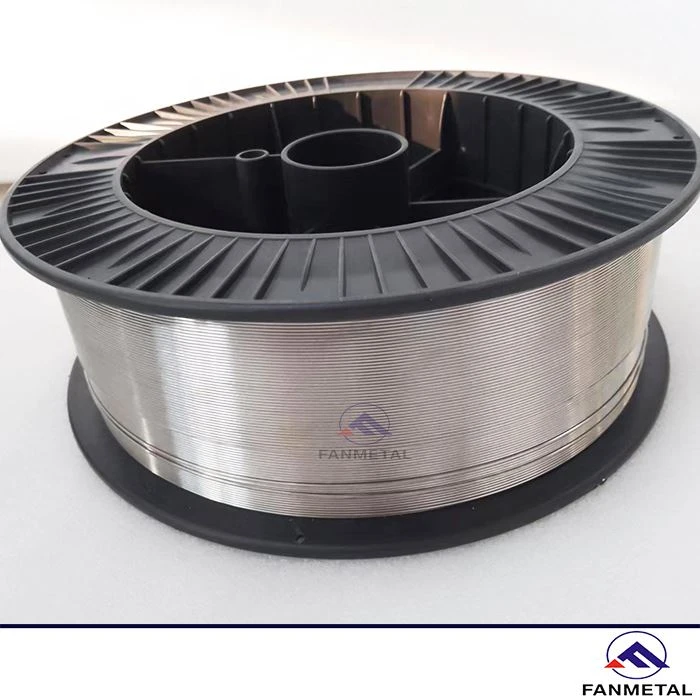
Hafnium Wire is suitable for applications that require a smaller diameter or flexible wire form. Wire specifications can include diameter, purity, length, and surface condition.
When selecting hafnium rod or wire, buyers should consider the required purity, diameter, length, dimensional tolerance, and surface condition. Custom sizes may also be available for specific industrial or research requirements.

Where to Buy Hafnium Rods?
When purchasing hafnium rods, buyers should consider more than the material name. Important factors include:
Hafnium purity
- Rod diameter and length
- Dimensional tolerance
- Surface condition
- Required quantity
- Custom specifications
FANMETAL supplies hafnium products for specialized industrial and research applications. Hafnium Rod and Hafnium Wire can be supplied according to specified material and dimensional requirements.
For custom hafnium products, it is helpful to provide the required purity, dimensions, quantity, and application when requesting a quotation. This allows the supplier to confirm the suitable material and specifications.
FAQ
Q: What is hafnium used for?
A: Hafnium is mainly used in nuclear reactors, aerospace alloys, semiconductor manufacturing, and high-temperature applications. Its excellent corrosion resistance, high melting point, and ability to absorb neutrons make it valuable for specialized industrial uses.
Q: What alloys contain hafnium?
A: Hafnium is commonly added to nickel-based superalloys, zirconium alloys, and refractory metal alloys. Hafnium improves high-temperature strength, oxidation resistance, and structural stability in extreme environments.
Q: Is Hafnium Poisonous?
A: Hafnium metal is not generally classified as a highly toxic metal. However, exposure to hafnium compounds or dust should be handled according to appropriate industrial safety procedures.
Q: Why is hafnium used in nuclear reactors?
A: Hafnium is used as a control rod material in nuclear reactors because it has a high neutron absorption capability and good corrosion resistance. It helps regulate nuclear reactions while maintaining stability under demanding operating conditions.
Q: What Is the Difference Between Hafnium and Zirconium?
A: Hafnium and zirconium have similar chemical properties and are commonly found together in nature. However, hafnium has a much higher neutron absorption capability, which makes it particularly useful for nuclear applications. Zirconium, in comparison, is widely used in nuclear and other industrial applications where low neutron absorption is important.