Introduction
In modern industrial production, a vast array of critical equipment is continuously exposed to extreme operating conditions-including ultra-high temperatures, severe acid and alkali corrosion, intense friction and wear, and cavitation impact. Under such complex environments, ordinary carbon steels, stainless steels, and even conventional alloy steels are highly susceptible to issues such as oxidative scaling, corrosive perforation, abrasive deformation, and fatigue fracture. These vulnerabilities have emerged as critical bottlenecks, hindering efficient production across heavy industry, chemical manufacturing, aerospace, and the oil and gas sectors.
Leveraging its unique cobalt-chromium-based alloy composition and distinct metallographic structure, Stellite Alloy stands as the ultimate solution for wear resistance and corrosion protection in extreme operating environments. As a classic cobalt-based hard alloy, it achieves a perfect balance between high-temperature stability, exceptional wear resistance, and corrosion resistance. Capable of withstanding harsh conditions that would prove intolerable to standard steels over the long term, it effectively extends the service life of critical components. Consequently, it has become the material of choice for industrial surface hardening and the manufacturing of key precision parts.
What Elements Make Up Stellite?
| Core Alloying Elements | Content Characteristics | Advantages Function |
|
Co |
Matrix principal elements, accounting for over 50%. | As the core matrix of the alloy, it endows the material with excellent high-temperature strength, toughness, and thermal shock resistance; it resists plastic deformation in high-temperature environments while ensuring the overall structural stability of the alloy, thereby preventing cracking and failure under alternating thermal conditions. |
|
Cr |
Core alloying elements, accounting for 25%–32%. | It serves as the primary source of corrosion resistance, enabling the formation of a dense and stable chromium oxide protective film on the alloy surface that isolates it from corrosive media such as acids, alkalis, and moisture. Simultaneously, it can bond with carbon to form high-hardness chromium carbides, thereby significantly enhancing the material's wear resistance. |
|
W/Mo |
Auxiliary strengthening elements, accounting for 3%–15%. | It significantly enhances the alloy's red hardness and high-temperature creep resistance, effectively preventing material softening and deformation under high-temperature operating conditions, while reinforcing wear resistance stability in high-temperature environments, making it ideally suited for continuous high-temperature operational scenarios. |
|
C |
Precise trace-level formulation, accounting for 0.9%–1.4%. | By combining with elements such as chromium and tungsten, it generates dispersively distributed, high-hardness carbide particles that are uniformly embedded within the alloy matrix; this fundamentally enhances the material's resistance to abrasive wear and galling, serving as the core foundation of its wear-resistant performance. |
Key Properties of Stellite Alloys
1. Comprehensive and Ultimate Wear Resistance: Adaptable to Diverse Wear Conditions
Stellite alloys possess comprehensive wear resistance that far exceeds that of conventional alloys. Rather than offering merely a single type of resistance, they can simultaneously withstand various complex forms of wear, including abrasive wear, adhesive wear, galling, and cavitation. They are particularly well-suited for critical, high-wear components such as valve seating surfaces, cutting tools, and fluid-handling parts; their wear life is several times longer than that of ordinary steel.
2. Superior Hot Hardness: No Softening in High-Temperature Environments
For ordinary steels and stainless steels, hardness drops sharply once temperatures reach 500°C–600°C, leading to issues such as softening, deformation, and accelerated wear, thereby rendering continuous operation impossible. In contrast, Stellite alloys leverage their unique properties to maintain high hardness and structural integrity within extreme temperature ranges of 500°C–900°C. They resist softening and deformation while maintaining stable performance, making them perfectly suited for equipment operating in high-temperature environments-such as gas turbines, high-temperature valves, and industrial heating tools.
3. Exceptional Corrosion and Oxidation Resistance: Ideal for Complex Media Environments
Benefiting from a dense protective film formed by their high chromium content, Stellite alloys exhibit outstanding resistance to both acid-base corrosion and high-temperature oxidation. Whether exposed to aggressive acidic or alkaline chemical media, sulfur-rich oil and gas environments, or high-temperature oxidizing atmospheres, they effectively withstand media-induced degradation. This capability ensures the long-term dimensional and performance stability of components, thereby significantly reducing equipment wear and loss rates in corrosive operating conditions.
Exploring the Most Popular Grades
Depending on variations in carbon content and alloy composition, Stellite alloys have evolved into numerous grades tailored to diverse operating conditions. Among these, Stellite 1, Stellite 6, and Stellite 12 stand out as the most widely utilized mainstream grades in industrial applications. Each grade possesses distinct performance characteristics and is suited to clearly differentiated scenarios; notably, Stellite 6 serves as the industry's universal benchmark grade, commanding the largest share of the market.
-
Stellite 6
This represents a classic grade that currently boasts the widest adaptability and superior overall performance within the industrial sector, and is widely recognized throughout the industry as the quintessential general-purpose Stellite alloy. Characterized by a moderate carbon content, it achieves a perfect balance among hardness, toughness, wear resistance, and corrosion resistance. It effectively avoids the inherent brittleness and susceptibility to cracking found in high-carbon grades, while simultaneously remedying the insufficient wear resistance often associated with low-carbon grades. Consequently, it is ideally suited for the vast majority of complex operating environments involving moderate wear, minor impact, and high-temperature corrosion.
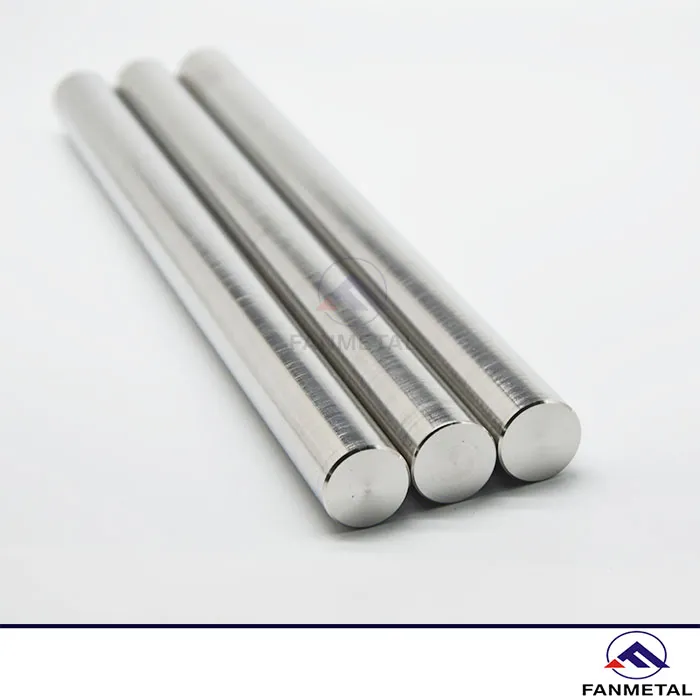
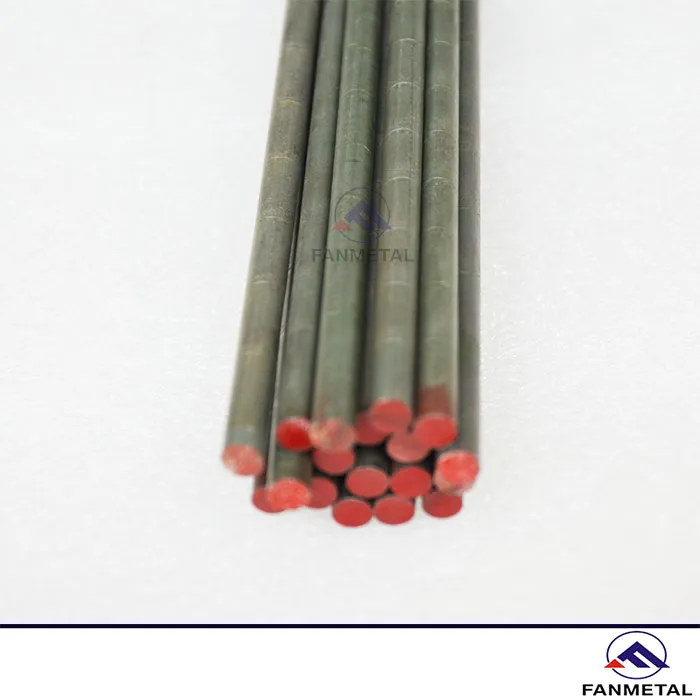
As a specialized supplier of Stellite alloys, we offer custom-tailored supplies of high-quality Stellite 6 round bars, Stellite 6 Alloy Sheet, and electrode products to meet specific requirements. We accommodate requests for non-standard dimensions and precision specifications, adhering strictly to industry standards throughout the manufacturing process to ensure material stability and compatibility with a diverse range of industrial processing applications and operating conditions.

-
Other Mainstream Grades
Stellite 1: Classified as a high-carbon, hard-grade alloy, it possesses exceptional hardness and maximum wear resistance; however, it exhibits poor toughness, high brittleness, and low impact resistance, making it difficult to machine. It is primarily suited for cutting and grinding applications characterized by pure high-wear conditions with no impact and is frequently utilized in components such as hard cutting tools and wear-resistant bushings.
Stellite 12: Its performance characteristics fall between those of Stellite 1 and Stellite 6, offering higher hardness than Stellite 6 while providing superior toughness compared to Stellite 1. It is well-suited for operating conditions involving high wear and low impact, and is commonly employed in applications such as drill bits and highly wear-resistant sealing components, making it a preferred material choice for specialized, high-wear environments.
Common Industrial Applications

1. Valves and Fluid Control Industry (Core Application Scenario)
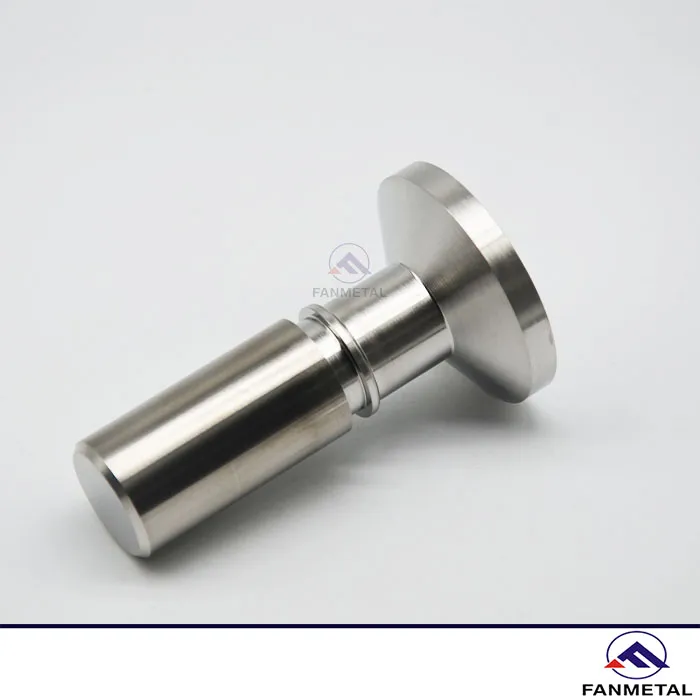
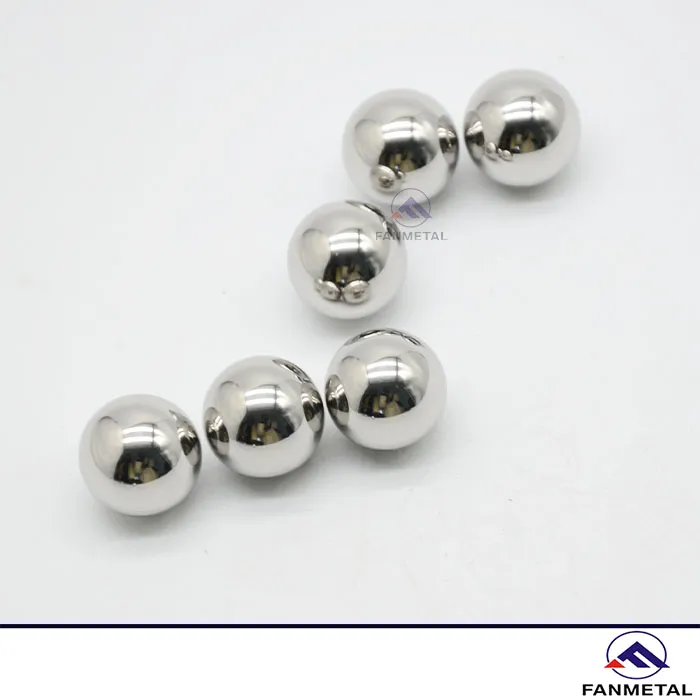
Serving as a core wear-resistant and corrosion-resistant material for valve seats, valve cores, sealing surfaces, and throttling components, this material is ideally suited for valves in oil & gas, chemical, and power generation pipelines. It can withstand prolonged fluid erosion, media corrosion, and high-pressure sealing friction, effectively resolving common issues associated with traditional valves-such as premature wear, leakage, and seal failure-thereby significantly extending valve service life and enhancing operational stability.
2. Aerospace and Defense Sectors
Suitable for use in aircraft gas turbine blades, engine nozzles, high-temperature sealing assemblies, and high-performance power components within the defense sector. Leveraging its exceptional high-temperature hardness and thermal stability, the material can withstand the erosive forces of high-temperature exhaust gases in aircraft engines as well as high-frequency thermal cycling conditions, thereby ensuring the efficient and stable operation of advanced power systems.
3. Automotive Powertrain Systems
Primarily utilized for engine valve faces, exhaust valve sealing areas, and core components of turbochargers. It is capable of enduring the high-frequency friction, high-temperature oxidation, and exhaust gas corrosion inherent in engine environments, effectively minimizing component wear and degradation while enhancing the engine's power stability and service life.
4. Woodworking and Light Industry (Paper Manufacturing)
Custom-manufactured into Stellite alloy cutting tools, industrial saw blades, cutting inserts, and wear-resistant scraper blades for paper manufacturing. Specifically designed to counter the continuous abrasive wear caused by wood fibers and pulp particles, these tools exhibit superior resistance to galling and abrasion; they maintain their cutting edge sharpness over extended periods, eliminating the need for frequent resharpening or replacement, thereby significantly boosting production efficiency in light industrial sectors.
5. Chemical and Energy Industries
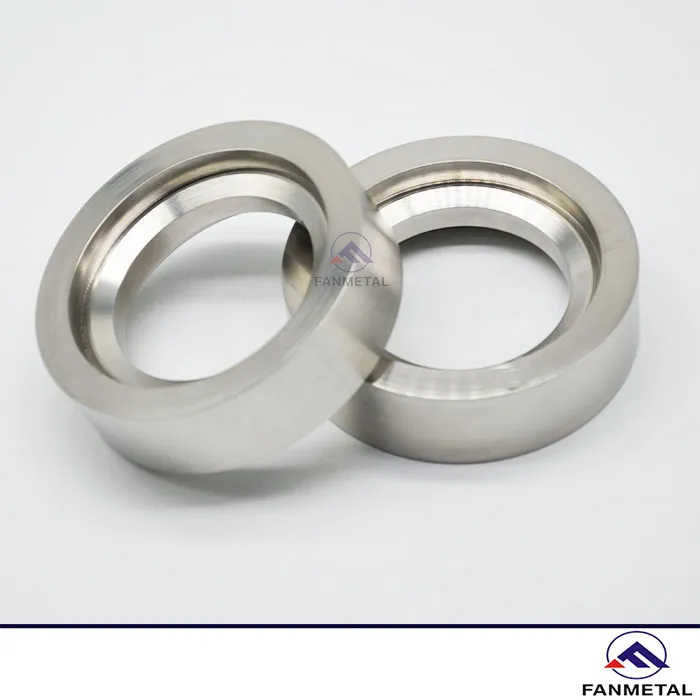
Suitable for use in chemical agitator blades, wear-resistant pump bushings, abrasion-resistant joints for oil and gas extraction, and sealing components for high-temperature reaction vessels. The material is capable of withstanding complex corrosive media-including strong acids, strong bases, and sulfur-bearing oil and gas-while simultaneously resisting abrasive wear caused by particulate erosion, thereby meeting the rigorous demands for long-term, continuous operation within the chemical and energy sectors.
About us
FANMETAL is a non-ferrous metals manufacturer with over two decades of experience in manufacturing and exporting. To date, the company has exported high-quality Stellite products to more than 50 countries and regions, including South Korea, Singapore, Kuwait, France, Canada, Portugal, and Hungary-earning widespread acclaim in overseas markets for its competitive pricing, high level of service, and efficient delivery capabilities.
Need customized Stellite components or a quotation for your wear-resistant project? Contact our engineering team today for a free consultation!