

In many fields, such as aviation engines, medical treatment, and the chemical industry, the choice of materials often determines the performance and life of the product. The three grades of materials, TA1, TC4, and TC11, have unique application advantages in these fields.
FANMETAL can provide overseas customers with a variety of cost-effective pure titanium and titanium alloy materials and accept customized services. If you have any questions about this product's details or delivery time, don't hesitate to get in touch with us at admin@fanmetalloy.com. We look forward to your message.
TA1: Pure titanium material
TA1 belongs to the α-type titanium alloy and has good cold and hot processing performance. Its strength is relatively low, but its outstanding advantage is that it has excellent biocompatibility and excellent corrosion resistance.
As a metal material with excellent biocompatibility, TA1 is widely used in the manufacture of medical equipment such as artificial joints and dental implants. Its non-toxic, harmless, and non-allergenic properties allow patients to reduce rejection reactions and accelerate the recovery process after receiving implant treatment.
In the chemical industry, TA1 is often used to manufacture equipment such as reactors, heat exchangers, and storage tanks due to its excellent corrosion resistance. In the chemical production process, equipment often comes into contact with TA1, which can resist the erosion of various highly corrosive chemicals, ensure the long-term stable operation of the equipment, reduce equipment maintenance costs, and improve production efficiency.


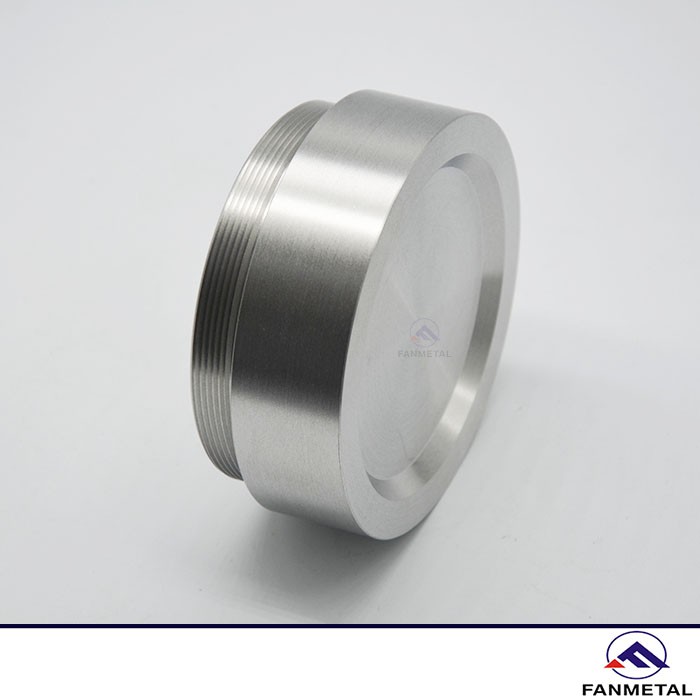
TC4: The most widely used
TC4 (Ti-6Al-4V) is one of the most widely used titanium alloys at present, belonging to the α-β duplex titanium alloy. It has excellent comprehensive performance, high strength, and can withstand large external loads; it has good corrosion resistance and can be used stably in a variety of environments; its processing performance is also relatively good, and it is easy to perform various mechanical processing operations.
In aviation engine manufacturing, TC4 is often used to manufacture fuselage brackets, engines, and other components. TC4 can reduce the overall weight of the aircraft and improve flight performance while ensuring the strength of the fuselage. The high strength of TC4 can meet the requirements of the aircraft to withstand various complex loads during flight and ensure flight safety, and its low density characteristics can help reduce the fuel consumption of the aircraft and improve the range and maneuverability.


TC11: High temperature preferred
TC11 (Ti - 6.5Al - 3.5Mo - 1.5Zr - 0.3Si) is an α-β type heat-resistant titanium alloy with good comprehensive performance. It has excellent heat-strength performance below 500℃, including high temperature strength, creep resistance, etc., and has high room temperature strength. At the same time, the alloy also has good hot processability, including conventional process performance and superplasticity, and can be welded and machined in various ways.
TC11 is often used in high-temperature parts such as turbine disks, blades, and drums of aircraft engines. When aircraft engines are working, these parts have to withstand harsh working conditions of high temperature and high stress. TC11 can maintain stable performance in such an environment to ensure the efficient operation of the engine.
In the chemical industry, some high-temperature reaction processes also place high demands on equipment materials. Although the application of TC11 in the chemical industry is not as extensive as in the aviation industry, due to its good heat-strength performance, it has potential application value in some high-temperature and high-pressure chemical reactors, heat exchangers, and other equipment. For example, in certain chemical processes that require catalytic reactions at high temperatures, if TC11 is used to manufacture related equipment components, it is expected to improve the service life and reliability of the equipment in high-temperature environments and reduce production interruptions caused by equipment failures.


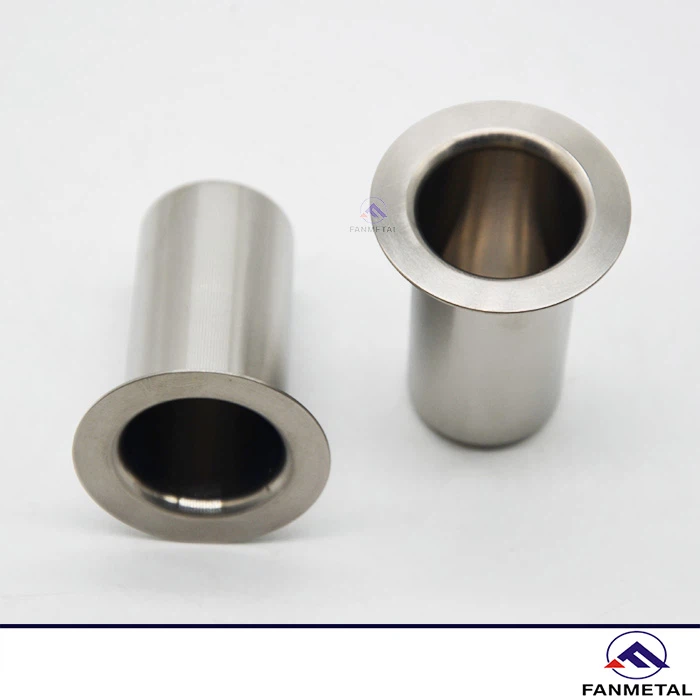
Summary
If you focus on the biocompatibility of the material and the strength requirement is relatively low, such as manufacturing implants that are in direct contact with the human body, TA1 is a more ideal choice. When medical devices that require a certain strength, biocompatibility, and corrosion resistance are considered, TC4 can be considered.
For parts that are subjected to general mechanical stress and are sensitive to weight, TC4 can do a good job with its advantages of high strength and low density. For key parts in the engine that are in a high-temperature and high-stress environment, TC11's thermal strength makes it the best choice.


