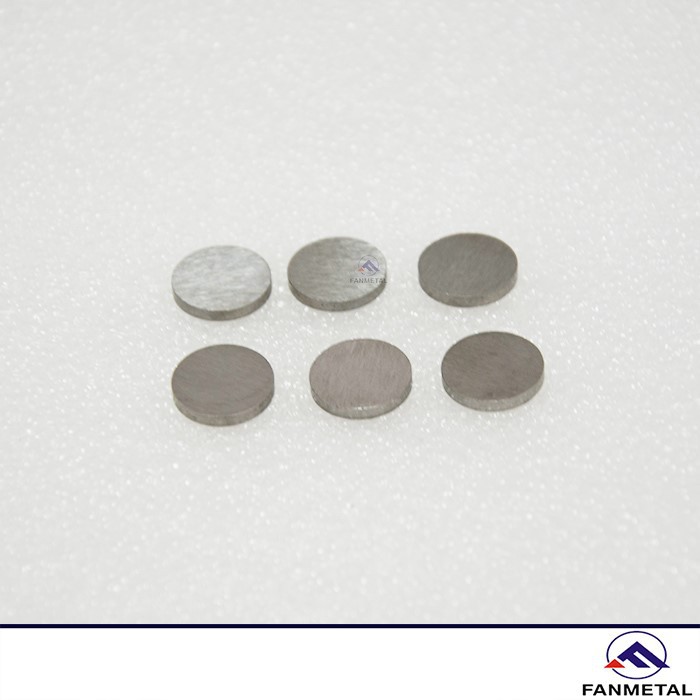
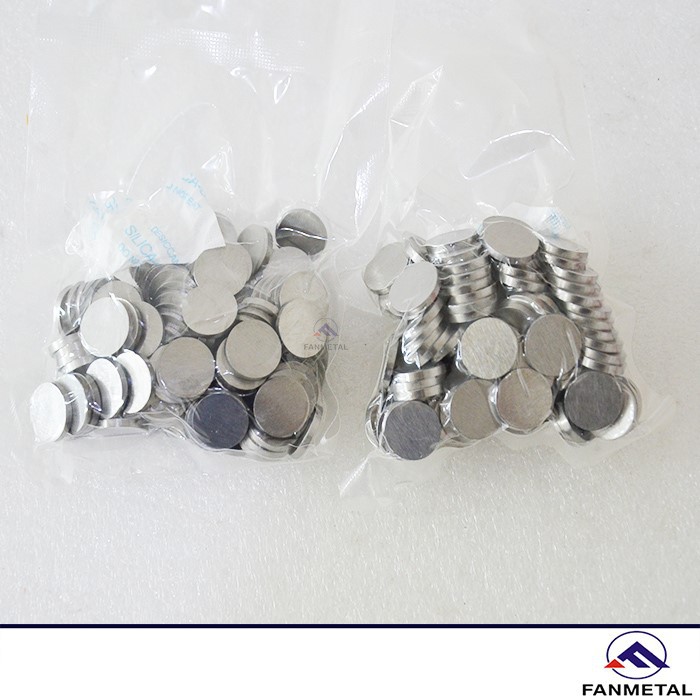
1.Excellent physical and chemical properties
(1) High density: The density of tungsten is 19.25 g/cm³, second only to platinum and iridium, ranking at the forefront of all metals. This high-density characteristic makes tungsten targets an ideal weight-increasing material and radiation shielding material, especially suitable for medical protection and aerospace fields to reduce volume while increasing equipment stability and safety.
(2) High melting point: The melting point of tungsten is 3422°C, which is the highest among all metals. This characteristic means that tungsten targets can operate at extremely high temperatures without melting or deforming, making them particularly suitable for use in high-temperature application environments, such as aerospace and high-temperature components of nuclear reactors.
(3) Electrical conductivity: Although the electrical conductivity of tungsten is not as good as that of copper and silver, it still maintains good electrical conductivity at high temperatures, which allows tungsten targets to effectively conduct current in electronic equipment at high temperatures, such as X-ray tubes.
(4) Thermal conductivity: Tungsten has high thermal conductivity and can effectively transfer heat and reduce damage caused by heat accumulation. In the semiconductor manufacturing process, its good thermal conductivity helps maintain temperature stability during film growth, improving production efficiency and product quality.
(5) Corrosion resistance: Tungsten has excellent corrosion resistance and can resist the erosion of most acids and alkalis. This characteristic makes tungsten targets extremely durable and reliable in applications in the chemical processing and pharmaceutical industries, especially in corrosive environments.
(6) Wear resistance: Tungsten has extremely high hardness and is located below diamond, so its surface has strong wear resistance. In applications that require wear resistance, such as in certain mechanical parts and tool materials, tungsten targets can effectively extend the service life of the product.
2. Application advantages of Tungsten Targets in the field of medical research
Applications: Medical imaging equipment (such as CT scanners, X-ray machines), industrial flaw detection (such as non-destructive testing), and radioactive shielding device manufacturing.
Tungsten Targets are used as the anode material of X-ray tubes, and their high melting point and thermal stability are used to collide with electrons at high voltage at high speed to generate X-rays. These X-rays are used to penetrate the human body or materials to form images for medical diagnosis or detecting the internal structure of objects. Its high melting point and thermal stability make X-ray generation more efficient while providing higher image clarity. This application not only significantly improves the quality of medical images, allowing doctors to diagnose diseases more accurately, but also helps reduce the radiation dose received by patients, improving medical safety and effectiveness.
Utilizing the high-density properties of tungsten, Tungsten Targets are widely used in the field of medical radiation. They are used as protective materials to manufacture X-ray protective barriers, containers and other shielding equipment, effectively preventing radioactive radiation from harming medical staff and patients, and improving the safety of radioactive medical operations. safety.
3. Tungsten Targets improves production efficiency in the semiconductor industry
As electronic devices develop toward smaller sizes and higher performance, semiconductor manufacturing is facing extremely high precision and purity requirements. In integrated circuit manufacturing, tungsten targets are used for physical vapor deposition to form high-purity metal films. The use of tungsten targets improves the deposition efficiency and quality of semiconductor films. It not only supports the rapid progress of semiconductor technology and promotes technological innovation in smartphones, computers and other electronic devices, but also improves product performance and quality in the microelectronics manufacturing process. Reliability supports the rapid development and miniaturization trend of semiconductor technology.